London Day Tours
I’m Serious Day Tour Man AI, your day trip expert. Ask me anything — where to go, how to get there, and what’s actually worth your day.
London’s day-trip radius is a syllabus of England: the world’s oldest occupied castle thirty-five minutes west — with a closure calendar that catches thousands of visitors on the wrong Tuesday — a five-thousand-year-old stone circle managed by timed ticket, and two rival university towns whose real difference the sort below settles honestly.
Add the seaside town that invented the English dirty weekend and the chalk cliffs beyond it, plus the Cotswolds question answered with logistics instead of postcards. Everything runs by rail except the one entry that honestly doesn’t.
Here’s what’s worth a day, with real times and honest trade-offs.

Popular Day Trips

Windsor
The working castle where the late Queen rests

Stonehenge
The circle and Salisbury’s spire, one timed day

Oxford
An hour out; colleges open on their own schedule

Cambridge
Eight centuries of colleges on one river bend

Brighton
Pebbles, piers, and a Regency palace, an hour south

Seven Sisters
The chalk’s white wave, two hours south

The Cotswolds
A region, not a place — pick a cluster

Canterbury
England’s mother cathedral in a walled pilgrim city
Windsor — The Castle and the Calendar
Thirty-five minutes by train (Paddington via Slough, or Waterloo direct to Windsor & Eton Riverside), Windsor Castle is the oldest and largest occupied castle on earth — founded by William the Conqueror, home to forty monarchs, and still a working royal residence, which drives every rule that follows.
The mechanics: book timed tickets on the Royal Collection Trust’s official site (rct.uk), and read the closure calendar first — the castle closes Tuesdays and Wednesdays for much of the year, plus state-occasion days at short notice. The Changing of the Guard runs at 11 a.m. on set days (typically Thursdays and Saturdays; the schedule shifts, so confirm), and guard-day morning slots sell out days ahead in summer. Winter compensates with the Semi-State Rooms added to the route.
The visit: the State Apartments’ Rembrandt-and-Rubens grandeur, Queen Mary’s Dolls’ House (a palace in 1:12 scale, with working plumbing and a library of real miniature books), and St George’s Chapel — Gothic fan vaulting over the tombs of eleven monarchs, Queen Elizabeth II among them; note the chapel closes to visitors on Sundays for services. The town’s add-ons: Eton’s high street across the footbridge, the Long Walk’s three-mile avenue for the classic castle-in-the-distance frame, and swan-heavy boat trips on the Thames. A generous half day; a full one with the walk.
Read the full Windsor day-trip page.
Stonehenge & Salisbury — The Circle and the Spire
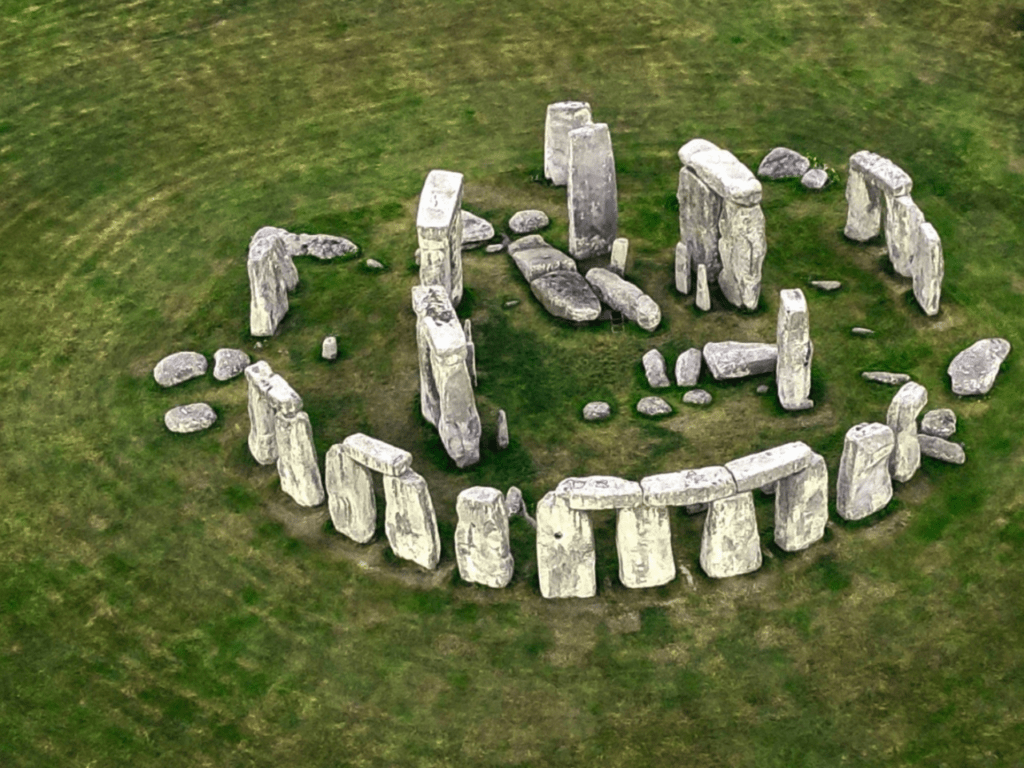
Ninety minutes to two hours southwest, Stonehenge runs on the mechanics its two million visitors require: timed tickets booked ahead on English Heritage’s site (advance prices beat walk-up, members still reserve slots), a visitor-center shuttle to the stones, and a roped path that keeps everyone about ten meters out — the circle delivers as monument and landscape, not as communion. The exhibition and reconstructed Neolithic houses are worth the pre-shuttle half hour, early and late slots dodge the coach wave, and the special-access dawn and dusk visits inside the circle exist for the committed, booked far ahead.
Salisbury, ten miles on, is the pairing that upgrades the day: the cathedral holds Britain’s tallest spire (123 meters), the best-preserved original Magna Carta of the four surviving copies — displayed in the Chapter House, and worth the trip alone — and the world’s oldest working mechanical clock, ticking since 1386. The close’s lawns and the water meadows’ Constable views finish it.
The formats: the direct coach tours handle the no-car version efficiently; the train-to-Salisbury-plus-Stonehenge-shuttle-bus combination runs the independent version; drivers add Avebury’s walk-among-the-stones alternative (free, larger, and a genuine free alternative on the same plain). Full day, gently paced.
Oxford vs Cambridge — The Sort
Both are an hour out by train, both stack medieval colleges, and the honest sort is temperamental rather than qualitative. Oxford is the city that happens to contain a university: bigger, grittier at the edges, denser with non-college life — the Bodleian and Radcliffe Camera ensemble, Christ Church’s hall (the Hogwarts inspiration, and priced like it knows), the Ashmolean’s free world-class collection, and the covered market’s pies. Cambridge is the university that happens to contain a city: smaller, prettier along the water, and built around the Backs — the college lawns running down to the river — with King’s College Chapel’s fan vaulting as England’s single most beautiful room and the Fitzwilliam as the free museum answer.
The shared mechanics: colleges set their own visiting hours and fees, close for exams and events without ceremony (check ahead for the ones you care about), and the evensong hack works — chapel services are free entry to the buildings the day tickets sell. Punting is mandatory in either: chauffeured beats self-hire for anyone who values dignity, and Cambridge’s Backs route wins the scenery contest.
The verdict: first visit with one day — Cambridge for beauty and compactness, Oxford for weight and variety. Both punish Saturday mornings; both glow on May and June evenings when the day coaches leave.
Read the full Oxford day-trip page.
Read the full Cambridge day-trip page.
Brighton & the Seven Sisters — The Coast Day
An hour south, Brighton is London-on-Sea and proud of the disrepute: the Royal Pavilion — the Prince Regent’s seaside palace, Indian domes outside, Chinese fantasia inside, and the most gloriously unhinged royal building in Britain — anchors the day, with timed tickets easy except in August. The Lanes’ jewelry-and-vintage maze, the North Laine’s louder version, the pier’s chips-and-arcade honesty, and the pebble beach (bring sandals; the shingle negotiates with no one) fill the classic circuit.
The upgrade is the chalk: the Seven Sisters cliffs, forty minutes east by bus, run the whitest coastline in England from Seaford Head — the viewpoint of the famous cottages-and-cliffs photograph — along the rollercoaster clifftop path toward Birling Gap and Beachy Head. The rules are absolute: stay well back from the edge (the chalk calves without warning, and the signs are not decorative), check the tide before any beach-level walking, and dress for wind that arrives with the view.
The frame: Pavilion-plus-Lanes is the gentle version; Pavilion morning plus Sisters afternoon is the full one, best in the long-light months. Fish and chips eaten against gull ambush completes it either way.
Read the full Brighton day-trip page.
Read the full the Seven Sisters day-trip page.
The Cotswolds — Honest Logistics
The stone villages photograph like a rail day and behave like a driving one: the famous names — Bibury, Bourton-on-the-Water, Castle Combe, Stow — sit scattered across lanes that trains don’t reach and buses serve on schedules built for residents, not itineraries. The verdicts, in order: with a car, the region is a glorious self-built day — two or three villages plus lanes, with early starts beating the coach wave that hits Bibury and Bourton by 10:30. Without one, the small-group day tours from London are the answer, and the rare case where the coach is the right answer. The rail-only version does exist — Moreton-in-Marsh direct from Paddington, then feet or the seasonal buses to Stow and Chipping Campden — and suits walkers happy with two villages and a footpath between.
The sort within the postcard: Bibury’s Arlington Row is a ten-minute photograph attached to a trout farm; Bourton is lovely and loved to death by noon; Stow and Chipping Campden carry more town per crowd; and Kingham-to-Chastleton or the Slaughters’ mile of stream-side path deliver the region’s actual currency — footpaths, sheep, and pub lunches — better than any car park does. The Cotswold Way’s sections turn any of it into a walking day. October’s color and May’s lambs are the windows; summer Saturdays are the warning.
Read the full the Cotswolds day-trip page.
Theatre Seats, Free Museums & London Itself
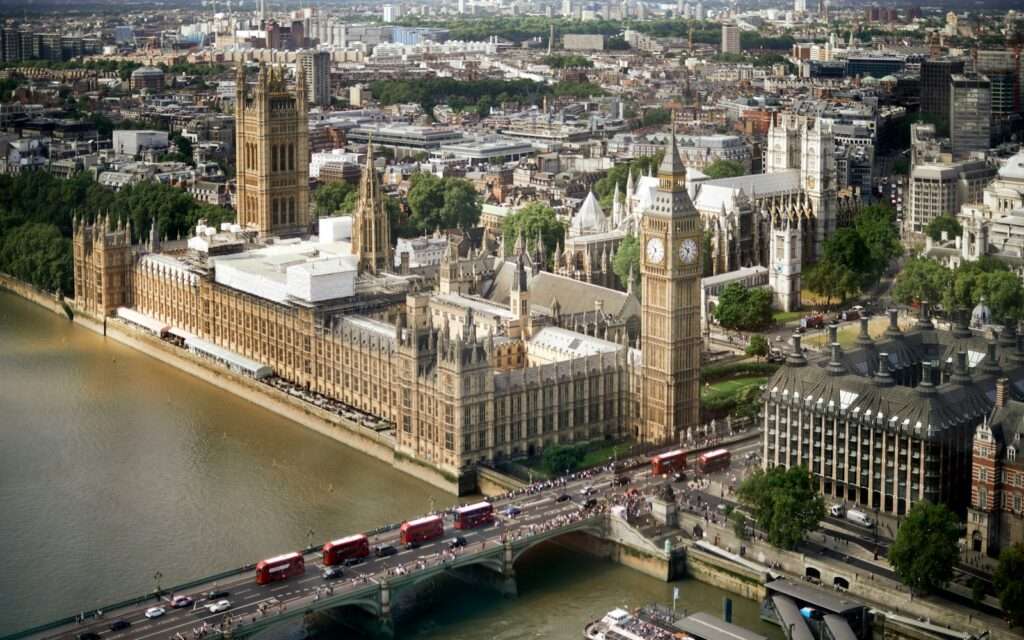
The city’s own mechanics, sorted: the museums are free at the permanent-collection level — the British Museum, National Gallery, Tate pair, V&A, Natural History — with timed-entry bookings smoothing weekends and blockbuster shows ticketed separately; walk-ups work on weekday mornings almost everywhere. The Tower of London wants its own half day (Crown Jewels first, at opening, before the queue becomes the attraction; Beefeater tours are included and excellent), and the Abbey pairs verger tours with the evensong hack that applies across the city’s great churches.
The theatre truth: same-day rush and lottery seats (the official apps), the TKTS booth on Leicester Square, and previews beat the tout economy every time; matinees convert a show into a day-trip-compatible event. The transit truth: contactless tap-in/tap-out with daily fare capping made travelcards obsolete for most visitors — one bank card, capped automatically, everywhere including the rail lines above.
The eating layer: Borough Market as the graze headquarters (weekday mornings beat the crush), the curry houses’ and Sunday-roast pubs’ twin institutions, and the pint rules (order at the bar, no tipping for taps, rounds are a social contract). Season math: May–June and September are the windows; August moves the city’s own life out and the visitors in; December’s lights and markets justify the cold; and the Sunday-closure rhythm of smaller sights means checking before any weekend plan.
Full day-trip pages: Canterbury.
Frequently Asked Questions
When is Windsor Castle closed?
Tuesdays and Wednesdays for much of the year, plus short-notice state occasions — check rct.uk’s closure calendar before booking anything. The Changing of the Guard runs 11 a.m. on set days (typically Thursday and Saturday), and those morning slots sell out days ahead in summer.
Oxford or Cambridge for one day?
Cambridge for compact beauty — King’s College Chapel, the Backs, chauffeured punting. Oxford for weight and variety — the Bodleian ensemble, Christ Church, the Ashmolean. Colleges set their own hours and close for exams; evensong gets you into chapels free.
How close can you get to Stonehenge?
About ten meters, on the roped path — book timed tickets ahead on English Heritage’s site, take the early or late slots, and consider the dawn/dusk inner-circle special access if it matters to you. Salisbury’s Magna Carta makes the pairing.
Can you do the Cotswolds without a car?
Honestly, only partially — Moreton-in-Marsh by train plus footpaths or seasonal buses covers two villages for walkers. The small-group coach tours are the rare case where the coach wins; drivers get the full region with an early start.
How does London theatre ticketing work for visitors?
Same-day rush and lotteries on the official apps, the TKTS booth, and previews — all beat resellers. Matinees fit day-trip schedules, and contactless capping covers every rail journey above too.